
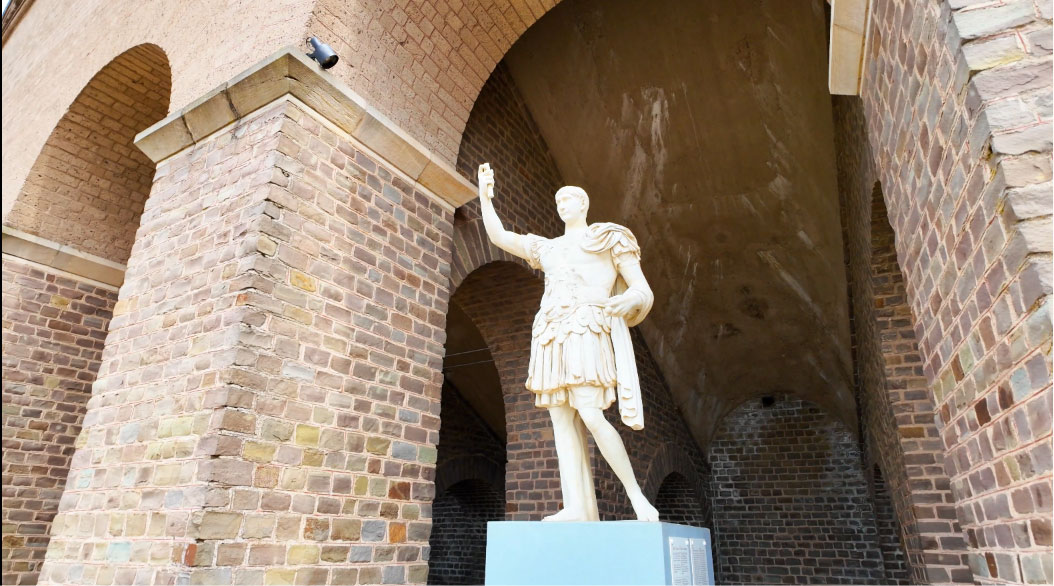
The LVR-Archaeological Park Xanten (APX) is Germany's largest open-air archaeological museum, built on the site of Colonia Ulpia Traiana, a Roman city in what's now North Rhine-Westphalia. Rather than presenting bare ruins, the park reconstructs full-scale buildings on their original foundations, letting visitors walk through a Roman city as it would have looked roughly 2,000 years ago.
Reconstructed Houses
The park's residential reconstructions represent ordinary citizens' homes rather than elite villas — simple but deliberate layouts, with rooms arranged around a central courtyard that provided light and airflow.
The Roman Baths
The reconstructed thermae show how public bathing functioned as both hygiene and social life, with distinct rooms held at different temperatures — cold, warm and hot — that bathers would move through in sequence.
The Harbour Temple
Even as a partial reconstruction, the harbour temple's tall columns make a strong visual impression. The temple was connected to the city's trade routes and port, reflecting how central religion and symbolism were to Roman civic life.
City Defences
The city was enclosed by substantial walls, towers, earthen ramparts and ditches — a defensive system built to protect residents from external threats.
LVR RömerMuseum
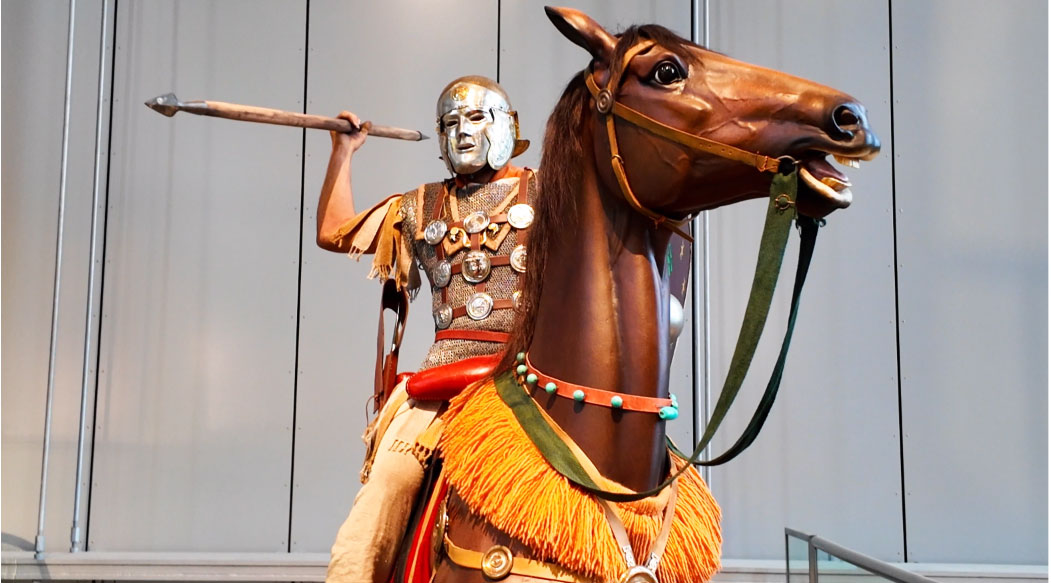
The park's main museum is built directly over the original archaeological site. Inside, genuine artefacts recovered during excavation are on display — tools, everyday objects and architectural fragments from the Roman city.
The Amphitheatre
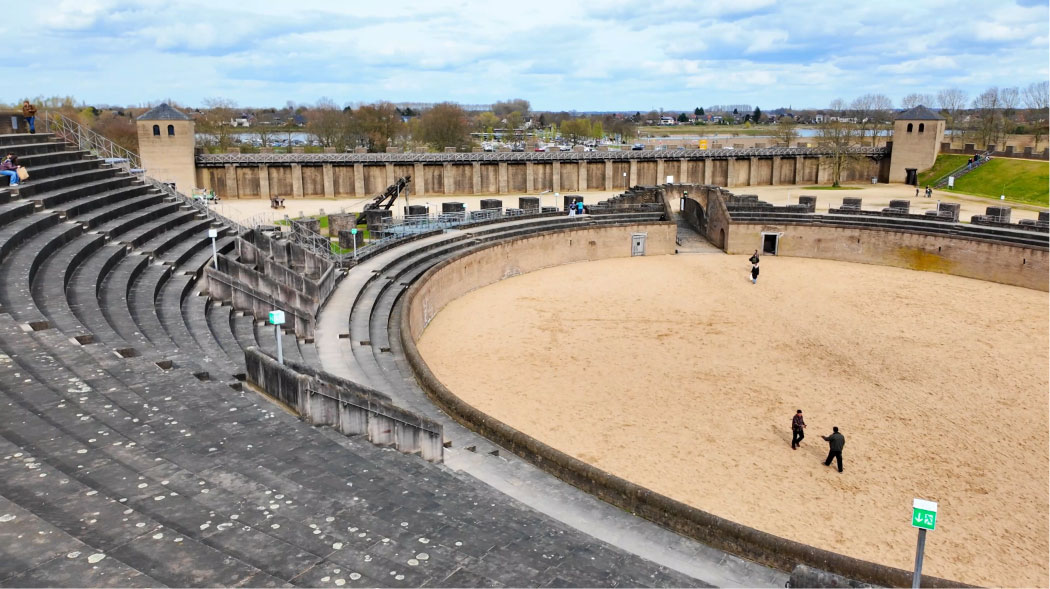
Often compared to a smaller version of Rome's Colosseum, the amphitheatre once hosted gladiator fights watched by thousands. Today the arena stands empty and quiet, but it remains one of the park's most evocative structures — a reminder of how central spectacle and risk were to Roman public life.
Loading comments…